

Painful lessons learned while filming a music festival.
I felt like a pro.
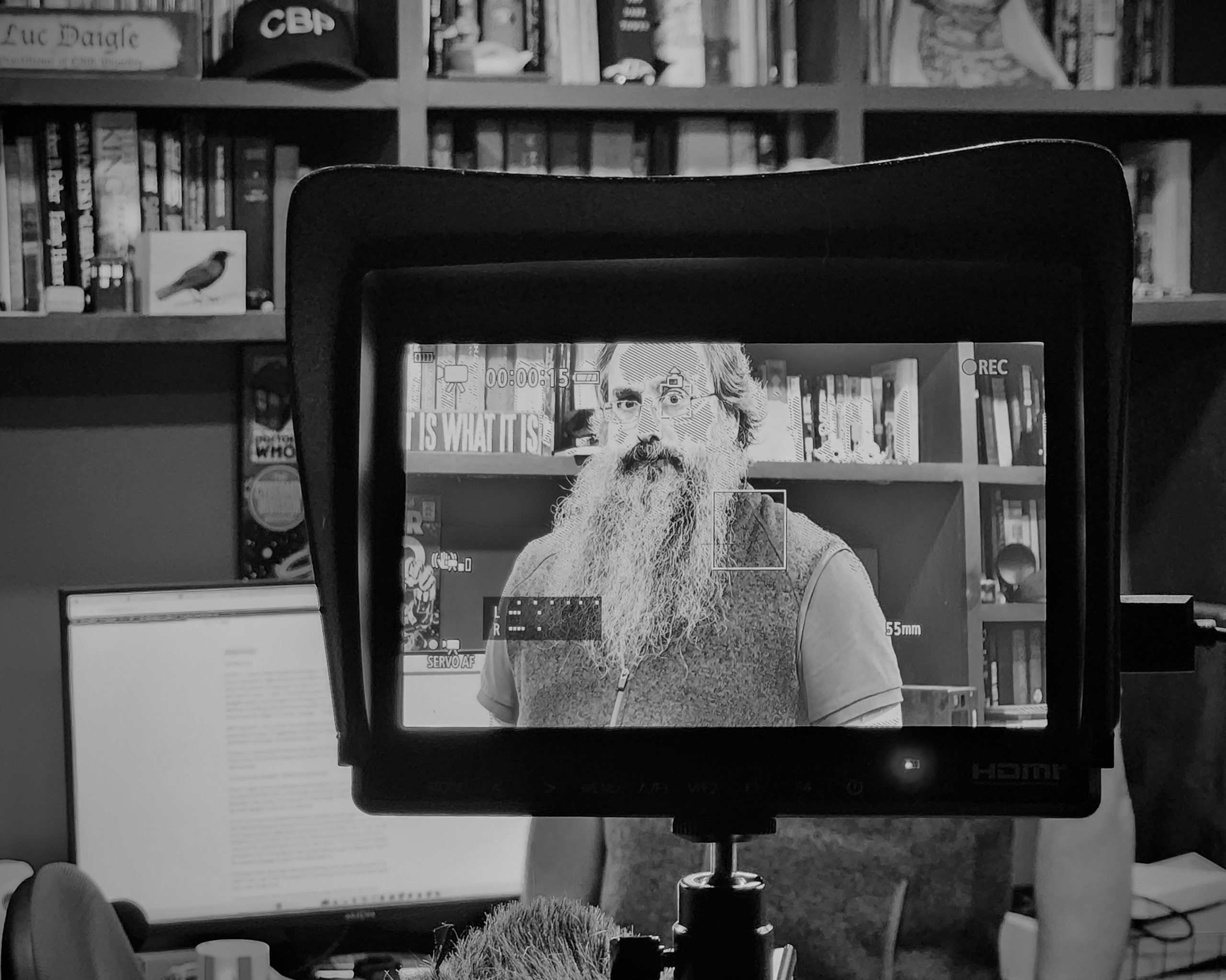
4K camera with 250mm zoom lens — check. External HDMI monitor and shotgun microphone attached — check. Fancy monopod to keep the entire rig stable but mobile while I danced around the pavilion to maximize the amount of coverage I could get out of each performance — check. Professional grade 32-bit float field recorder plugged directly into the XLR outputs of the event sound equipment — check. Peripheral cameras, including a cell phone and Insta360 X5 camera, mounted on tripods on and near the stage for further coverage — check.
The event I was covering was the annual Recovery Rocks Music Festival in Ft. Kent, Maine. The performances were energetic, the smash burgers and poutine were delicious, and the speakers were inspiring. I ran around like a champion carrying what must be 20 pounds of camera gear, getting dynamic coverage of several musical performances, including primary, b-roll, and slow motion shots.
I’ve had all of this equipment for a while, but this is the first time I’ve put it all together for an event. This wasn’t a paid gig for me, however, I very much wanted to make some videos of the event that would be shared on social media and maybe eventually lead to some paid jobs.
Kim and I didn’t stick around for the whole thing since I didn’t have the battery power to cover the entire six hour music festival. Besides, we had a 45 minute drive back home and I had a lot of work to do processing all the footage for the multiple videos I intended to produce at the request of the event organizer.
After the event, I scurried down to my cluttered and unruly basement office to download the nearly 70 gigabytes of precious video and audio data to my workstation to begin scrubbing through it.
After everything was downloaded and organized neatly into folders, I realized, to my horror, that several performances were lost due to corrupted MP4 files and most of the sound was either clipped (too loud) or not captured at all by the field recorder.
I no longer felt like a pro.
Where did I go wrong? After several moments of breathless swearing, self-chastising, and rushing through all the stages of grief, I did a bit of research.
Firstly, I made a bunch of bad assumptions about the capabilities of my equipment. I assumed my Canon EOS R50 camera could handle everything I plugged into it simply because it had inputs to accept all of those things (HDMI monitor, EF zoom lens with adapter, external microphone).
It turns out that the camera’s onboard computer can struggle a bit to keep up with all the AF and auto-exposure functions while recording, which can in turn cause unreasonable power demands on the battery, which has it’s own limitations. At the same time, all that additional processing can inhibit the writing of the camera buffer to the SD card, which, if not of sufficient speed and quality, may not be able to record data fast enough to keep pace, even if the camera manages to send the buffered data to it.
Of course, there were signs during the filming of the event that something wasn’t right, signs that I brushed off in the frenzy of the moment and naively hoped wouldn’t lead to data loss.
Extreme closeup shots of the performers using the 250mm zoom lens caused severe stuttering of the video on the external HDMI monitor, which I believe was the result of the camera being unable to keep up with all the AF and auto-exposure processing of the zoomed in images. The overload may have caused voltage fluctuations in the battery and a failure to complete the writing of the buffer data to the SD card, resulting in a few empty MP4 files — files that would have captured some epic performances as well as a bunch of b-roll for the videos I intended to produce for the event organizer (who asked me to be there specifically for this purpose).
At some point during filming I also noticed that the temperature warning icon had appeared on the screen, meaning that the internal temperature of the onboard computer was beginning to approach a critical threshold. Eventually the camera would shut itself down if the temperature rose too high, although it never reached that point during this particular session. However, the fact that it showed up at all during this mild autumn day in the shade of the pavilion should have been a strong indicator that I was putting too much strain on the camera.
As for the clipped and missing audio from the field recorder, that was bad planning on my part, not equipment failure. I didn’t take the time to check the audio levels throughout the performances because I was too busy running around getting video footage. I also believe that the source of the sound equipment output I was patched into changed when the performance transitioned from the floor to the stage — there was likely a different set of outputs I would have had to plug into in the middle of everything, which would have required me to interrupt the audio guy in the middle of his job to re-wire my little recording device.
Considering everything that went wrong, it wasn’t a total loss. I did manage to capture a couple of songs and edit a few videos together, which will hopefully be online sometime soon.
[Big sigh]
Lessons learned.
UPDATE: Here is a video I produced with the video and audio I managed to capture.
Leave a Reply